English
  CN
CN

Custom DNA synthesis is a sophisticated process that involves the precise assembly of nucleotides to create specific DNA sequences. This technology plays a pivotal role in modern biology research and biotechnology, enabling advancements in areas such as gene editing, therapeutic development, and diagnostics. The process entails several critical stages, from **oligonucleotide manufacturing** to the final assembly, calling for meticulous control and innovative methods. This article delves into the intricate steps of DNA synthesis, addressing synthesis methods, the role of phosphoramidite chemistry, quality control procedures, applications in research, and overcoming challenges inherent in the synthesis process.
The foundation of custom oligonucleotide synthesis lies in robust methodologies that facilitate precise and efficient nucleotide coupling. Various techniques are employed, each with unique advantages and applications. One primary method is phosphoramidite synthesis, renowned for its efficiency and reliability in assembling DNA strands.
| Method | Advantage | Application |
|---|---|---|
| Phosphoramidite Synthesis | High coupling efficiency, reproducibility | General DNA synthesis |
| Solid-phase Synthesis | Automation compatibility | Large-scale oligonucleotide synthesis |
| Simulated Moving Bed Chromatography | Purification of complex mixtures | Purification in biopharmaceutical manufacturing |
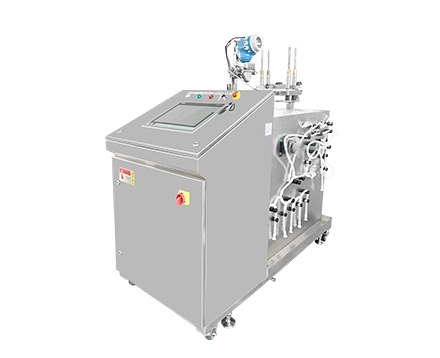
In solid-phase synthesis, oligonucleotides are assembled on solid supports, enabling automation with a **DNA synthesis machine**. For purification, techniques like **fluid chromatography** and **gel filtration column** are employed, ensuring high-quality end products.Supercritical chromatography is yet another technique utilized in specific advanced applications.
At the core of effective DNA synthesis is **phosphoramidite chemistry**, which underlines the efficiency and precision of the synthesis process. This methodology entails sequential nucleotide addition facilitated by phosphoramidite reagents, each step meticulously coordinated to ensure fidelity.
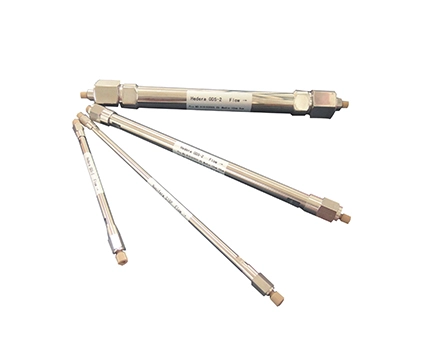
Phosphoramidite compounds, known for their reactivity and stability, are activated for coupling, forming bonds between nucleotides. The process, characterized by its high yield, is conducive for developing DNA sequences used in complex applications such as **chromatography systems** and **chromatography instruments** for biological sample analysis and purification. Techniques such as **high-performance liquid chromatography (HPLC)** aid in nucleotide assembly, enabling production of high-purity oligonucleotides.
The precision of **custom DNA synthesis** necessitates rigorous quality control to ensure the produced oligonucleotides meet required purity and specificity standards. Methods such as **high-performance liquid chromatography (HPLC)** and **size exclusion column chromatography** are employed to analyze and verify the integrity of synthesized strands.
Among the critical control steps are purity assessment using **preparative HPLC** to separate and ensure the specificity of DNA products and mass spectrometry for composition verification.
These analyses, paired with **downstream purification** techniques like **simulated moving bed chromatography**, facilitate production of high-quality oligonucleotides integral to applications in **chromatography skid** assemblies and **protein A antibody purification**.
Applications of **custom DNA synthesis** in research are profound and varied, encompassing fields from genome sequencing to therapeutic design. One critical domain is **chromatography**, where synthesized DNA sequences are utilized to probe genetic information and develop targeted interventions.
| Application | Domain |
|---|---|
| Gene Editing | Biomedical Research |
| Diagnostics | Clinical Medicine |
| Therapeutic Development | Pharmaceuticals |
The synthesis of custom DNA contributes vital tools to **protein a purification** processes and the development of **large-scale oligonucleotide synthesis** workflows within the scope of modern **biopharmaceutical manufacturing**.
Despite its potential, **custom DNA synthesis** confronts several challenges, including fidelity in sequence production and scalability for commercial applications. Solutions include enhancing synthesis process efficiency and precise error-checking protocols.
The innovation in **chromatography machine** design and improvement in steps like **oligonucleotide purification** aid in overcoming these hurdles. Implementing advanced **chromatography instruments** significantly reduces errors and integrates with broader purification systems such as **tangential flow filtration** for enhanced sequence fidelity.
Exploring refined synthesis methodologies to bolster stability and reactivity also assists in addressing these challenges, offering improved outcomes for **chromatography systems** and **peptide purification** processes.
**Custom DNA synthesis** presents a powerful tool in modern research and application development, enabling innovations in **downstream bioprocessing** and healthcare advancements. By understanding the comprehensive framework of synthesis, from **phosphoramidite chemistry** to purification methods like **prep HPLC** and **smb chromatography**, researchers and developers can leverage these technologies effectively. As advancements continue to refine synthesis strategies and purification systems, the impact of custom DNA synthesis in **biopharmaceutical manufacturing** and beyond is poised for enduring expansion.
References: